

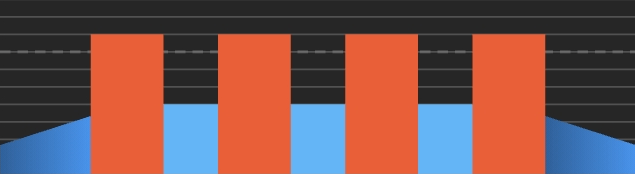
High-Intensity Interval Training (HIIT): Big Results in Less Time
Lack of time is the most commonly cited barrier to regular exercise. High-Intensity Interval Training (HIIT), which alternates short bursts of vigorous effort with periods of low-intensity recovery or rest, delivers adaptations comparable to traditional endurance training, and sometimes better, in a fraction of the time.
Defining HIIT: Structure and Intensity
While there is no single universal definition, HIIT generally involves performing work intervals at a “near-maximal” or “all-out” effort, typically corresponding to at least 90% of maximal oxygen uptake (VO₂ max) or more than 75% of maximal power, interspersed with passive or active recovery periods.
Interval protocols span a wide spectrum depending on the target goals. Classic HIIT, sometimes referred to as long-interval training, involves bouts lasting from two to four minutes, such as the famous 4x4 protocol performed at 85–95% of peak heart rate. Low-volume HIIT relies on shorter work phases designed to maximize time efficiency while still accumulating significant metabolic stress. At the far end of the spectrum sits Sprint Interval Training (SIT), which involves supramaximal or “all-out” efforts, such as Wingate-style cycling sprints, lasting under 30 seconds.
Key Health and Physiological Benefits
Decades of clinical and sports research back up HIIT’s benefits. On the cardiovascular side, it raises VO₂ max, lowers resting heart rate and blood pressure, and improves endothelial function and vascular health. It improves metabolic function too: better insulin sensitivity, steadier glucose regulation, and healthier lipid profiles, with HDL (“good”) cholesterol going up while LDL and triglycerides come down.
HIIT also reduces visceral fat and overall body fat while preserving lean muscle. At the cellular level, hard efforts activate stress pathways such as PGC-1α, which drives mitochondrial biogenesis and makes cellular energy production more efficient. The benefits extend to mental health as well: regular HIIT has been shown to reduce symptoms of anxiety and depression, lift mood, and improve cognitive and executive function.
HIIT vs. Moderate-Intensity Continuous Training (MICT)
Compared to traditional continuous exercise like a steady 45-minute jog or moderate ride, HIIT has a couple of clear advantages. It produces similar or better cardiovascular and metabolic adaptations with a much lower total time commitment. The stimulus also differs in an important way: where MICT mainly drives peripheral adaptations like improved muscular oxygen extraction, HIIT places a stronger central demand on the heart, which is what drives gains in stroke volume and cardiac output.
There’s also an adherence advantage worth noting. Studies indicate that many individuals find varied interval protocols more engaging than monotonous steady-state training, which tends to translate into higher levels of long-term program enjoyment and consistency.
Safety Considerations and Practical Application
Because HIIT involves hard physical exertion, sensible program design matters. The intensity carries a slightly higher risk of musculoskeletal strain or acute cardiac events in high-risk individuals, so warm up properly, progress gradually, and get screened beforehand if you’re at risk.
Balance matters just as much: pairing high-intensity days with adequate recovery, lower-intensity days, or full rest helps prevent overtraining, burnout, and chronic fatigue. HIIT is also highly flexible. Whether you use a stationary bike, bodyweight movements, or track intervals, the work-to-rest ratio and intensity can be adjusted for beginners, older adults, and clinical populations under proper supervision.
Put It into Practice with HIIT Addict
Ready to try High Intensity Interval Training? Create and follow High Intensity Interval Training workouts (and much more) with a clear, color-coded view of your entire session. Unlike basic workout timers, HIIT Addict visually shows where you are, what lies ahead, and how hard to push. The core features are free, so you can get started without a subscription.Explore everything HIIT Addict can do. Or go download the app directly:
 iOS App Store coming soon